
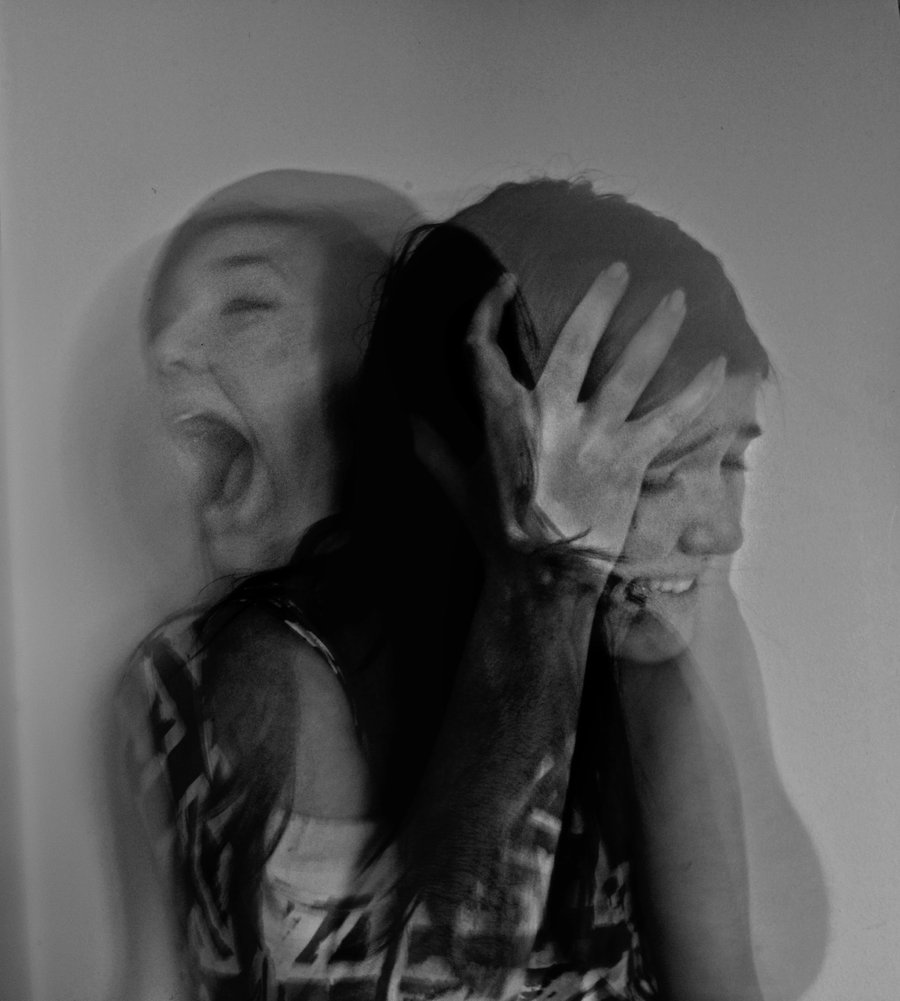
Contrary to popular belief, your friend who has mood swings does not have bipolar disorder.
What do we mean?
Similar to what is shown above, Bipolar Disorder is characterised by Manic Episodes quickly followed by Depressive Episodes. The latter symptom, which can result in suicide attempts, are often why bipolar disorder is characterised under Depressive Disorders.
So how would someone with bipolar disorder act?
To simplify bipolar disorder, think of it as people having periods of “fast” activity and “slow” activity. During their “fast” activity, people with bipolar show signs of mania:
- Have lots of energy
- Feel high or wired
- Have racing thoughts
- Talk fast
- Take more risks
- Need less sleep than usual to feel rested
- Have more distractions than usual
- Have intense senses, such as smell and touch
Sometimes because of their decreased amount of sleep, people with bipolar can feel more irritable and/or energetic than normal. People with bipolar disorder can also have slight hallucinations and delusions. In fact, during their manic episodes, they may even have grandiose senses of self-esteem (feeling like they are superhuman or gods), similar to people with narcissistic personality disorder while they are manic.
These manic episodes can transcend the barrier between normal happiness and sadness and plummet straight towards depressive episodes, with all the usual symptoms of depression:
- Generally being too sad to do anything
- Having no energy or appetite for tasks or food
- Suicidal tendencies
Refer to this post for a quick recap.
Sometimes, the depression is enough to send people with bipolar over the edge and towards suicidal behaviour. Other times, the actions they committed while they were in one of their manic episodes may leave them with so much self-hatred and shame that suicide may seem to be the only way out.
Just as we said with depression, this is absolutely NOT the case.
The common saying about suicide is that “it is a permanent solution to a temporary problem.” Of course bipolar is something that people may struggle with their entire lives, and so is not temporary to them. However, with right treatment and support, suicide can have other much better alternatives.
With the right treatment, such as therapy, and medication, as well as support and understanding from family members, bipolar people can help to live much better lives than if they simply suffered in silence. If you have bipolar disorder, we understand that takes a lot of courage to speak up about your condition. Once you’ve spoken up, however, half the battle is already won.
Source:
https://deviantart.com/tashythemushroom/art/B-is-for-bipolar-disorder
 Breaking Through The Stigma on Mental Illness